

Kaizen Events

➤ A Kaizen Event is a short-term, focused project aimed at improving specific processes within an organization.

➤ It involves a diverse team working collaboratively to identify inefficiencies, implement rapid solutions, and foster a culture of continuous improvement.

➤ The primary goals are to reduce waste, enhance efficiency, and achieve sustainable, measurable benefits.
Key Elements

Our sustainable operations strategy primarily targets:


  • Clear Objectives: Define specific goals and objectives for the event.
  • Cross-functional Team: Involve members from different departments to bring diverse perspectives.
  • Data Collection: Gather relevant data to understand the current state and identify areas for improvement.
  • Problem Identification: Pinpoint the specific issues or inefficiencies that need to be addressed.
  • Solution Development: Brainstorm and develop actionable solutions.
  • Implementation Plan: Create a detailed plan to implement the solutions.
  • Execution: Carry out the plan within the set timeframe (usually 3-5 days).
  • Review and Adjustment: Monitor the results and make necessary adjustments.
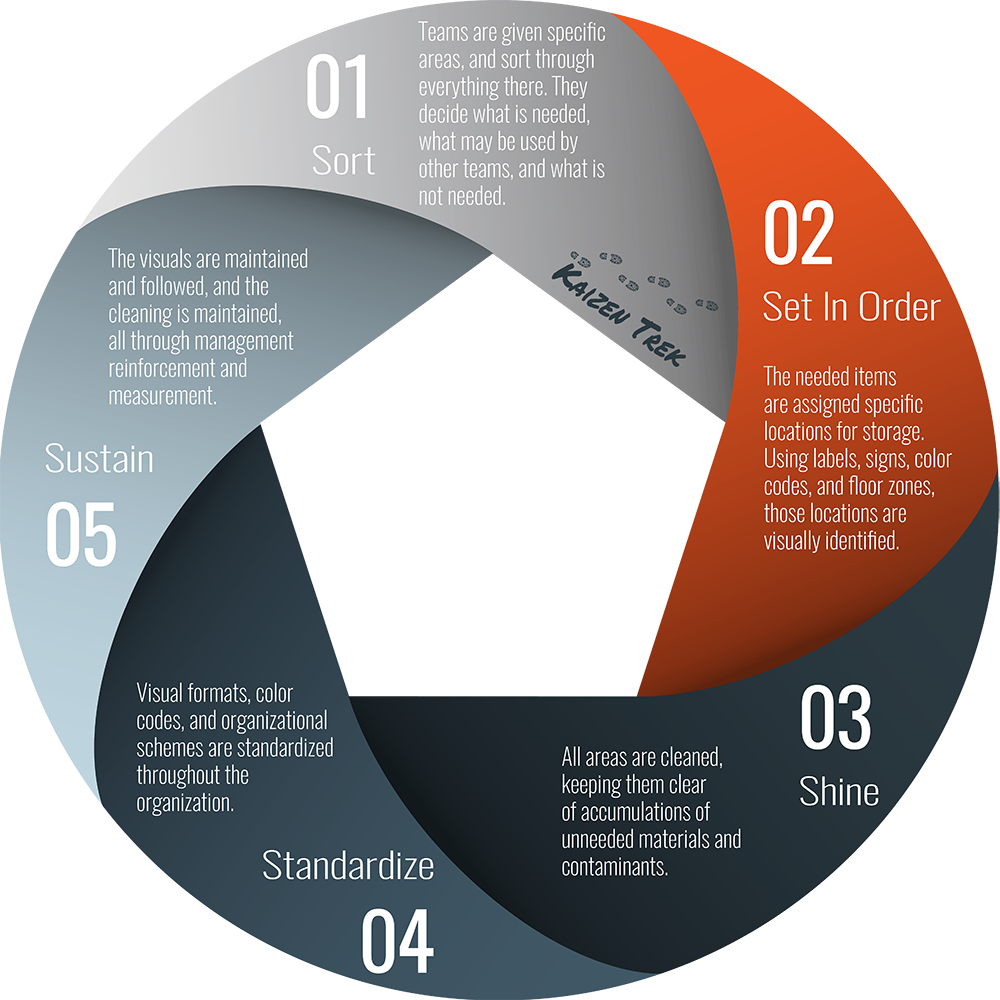
  • Documentation and Standardization: Document the improvements and standardize the new processes.
  • Follow-up: Ensure that the changes are sustainable and continue to provide benefits.

Ramaqchools’ Methodology for Kaizen Services


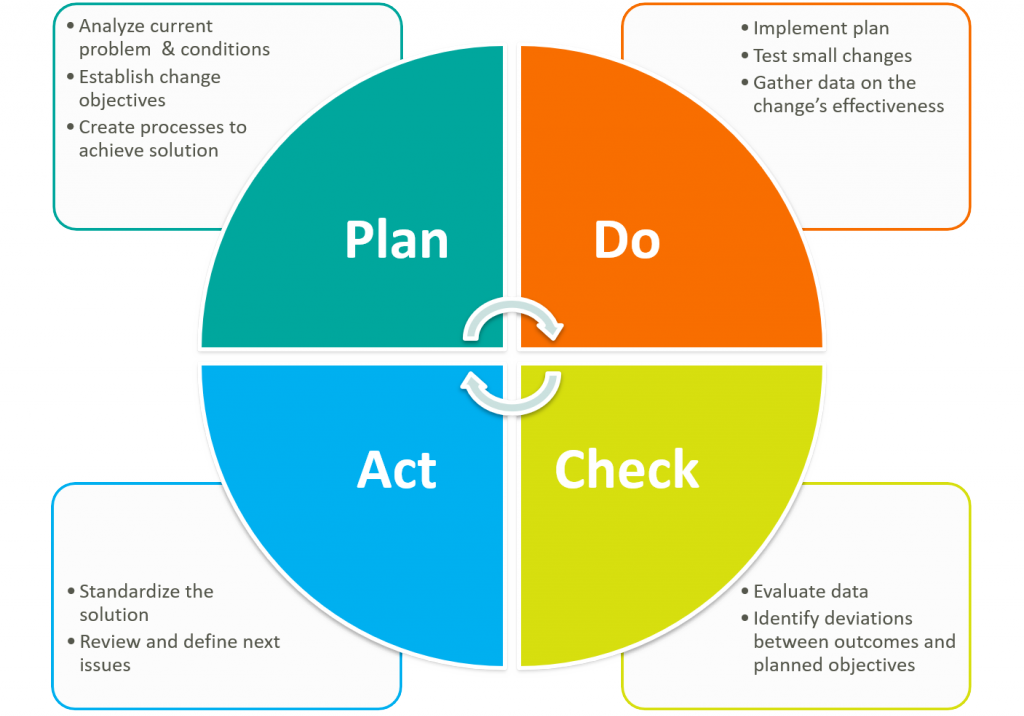
  1. Planning and Preparation
    • Define Objectives: Clearly articulate the goals of the Kaizen Event.
    • Select the Team: Assemble a cross-functional team with diverse expertise.
    • Set the Scope: Determine the specific area or process to be improved.
    • Gather Data: Collect baseline data to understand the current state and identify key issues.

  2. Training and Orientation
    • Educate the Team: Provide training on Kaizen principles and tools.
    • Set Expectations: Ensure all team members understand their roles and the event’s objectives.

  3. Execution
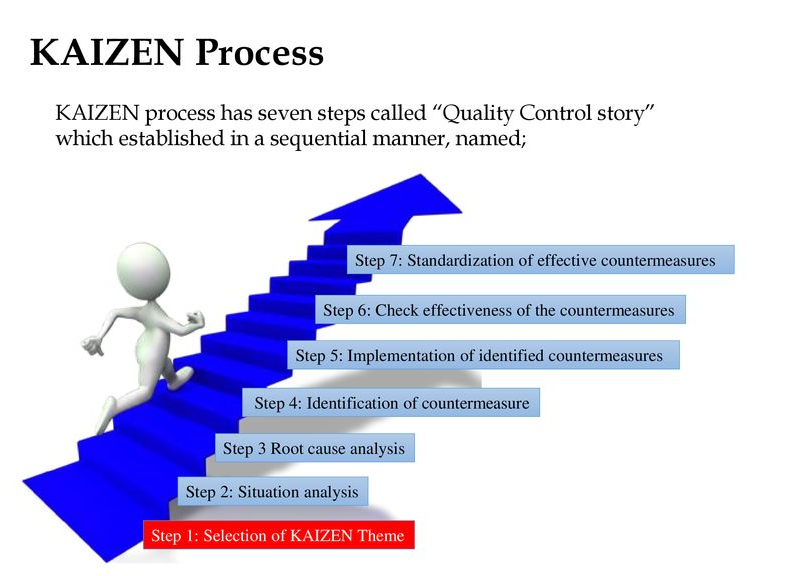
    • Current State Analysis: Map out and analyze the existing process to identify waste and inefficiencies.
    • Root Cause Analysis: Use tools like the 5 Whys and Fishbone Diagram to pinpoint root causes of problems.
    • Brainstorm Solutions: Generate a list of potential improvements.
    • Develop Action Plan: Prioritize solutions and create a detailed action plan.

  4. Implementation
    • Implement Changes: Execute the planned improvements, often in rapid cycles.
    • Monitor Progress: Track the impact of changes in real-time.

  5. Review and Standardization
    • Evaluate Results: Assess the effectiveness of implemented changes using the collected data.
    • Standardize Processes: Document new procedures and ensure they are integrated into regular operations.
    • Feedback Loop: Encourage continuous feedback and make further adjustments as needed.

  6. Follow-up
    • Sustain Improvements: Develop mechanisms to maintain gains over the long term.
    • Continuous Monitoring: Regularly review performance to ensure ongoing adherence to improvements.

Predicted Gains from Kaizen Services

Our clients consistently achieve measurable results from our M&A services, including:


  1. Enhanced Efficiency: Streamlined processes lead to faster and more efficient operations.

  2. Reduced Waste: Identifying and eliminating waste saves resources and costs.

  3. Improved Quality: Continuous improvement helps in enhancing the quality of products and services.

  4. Increased Employee Engagement: Involving employees in improvement efforts boosts morale and engagement.

  5. Better Customer Satisfaction: Improved processes and quality lead to higher customer satisfaction.

  6. Cost Savings: Efficiency and waste reduction result in significant cost savings.

  7. Innovative Culture: Regular Kaizen Events foster a culture of innovation and continuous improvement.

  8. Sustainable Improvements: Implemented changes are often sustainable, leading to long-term benefits.

  9. Enhanced Competitiveness: Continuous improvement helps maintain a competitive edge in the market.


Climate Risk- Adaptation and Resilience - Case Study