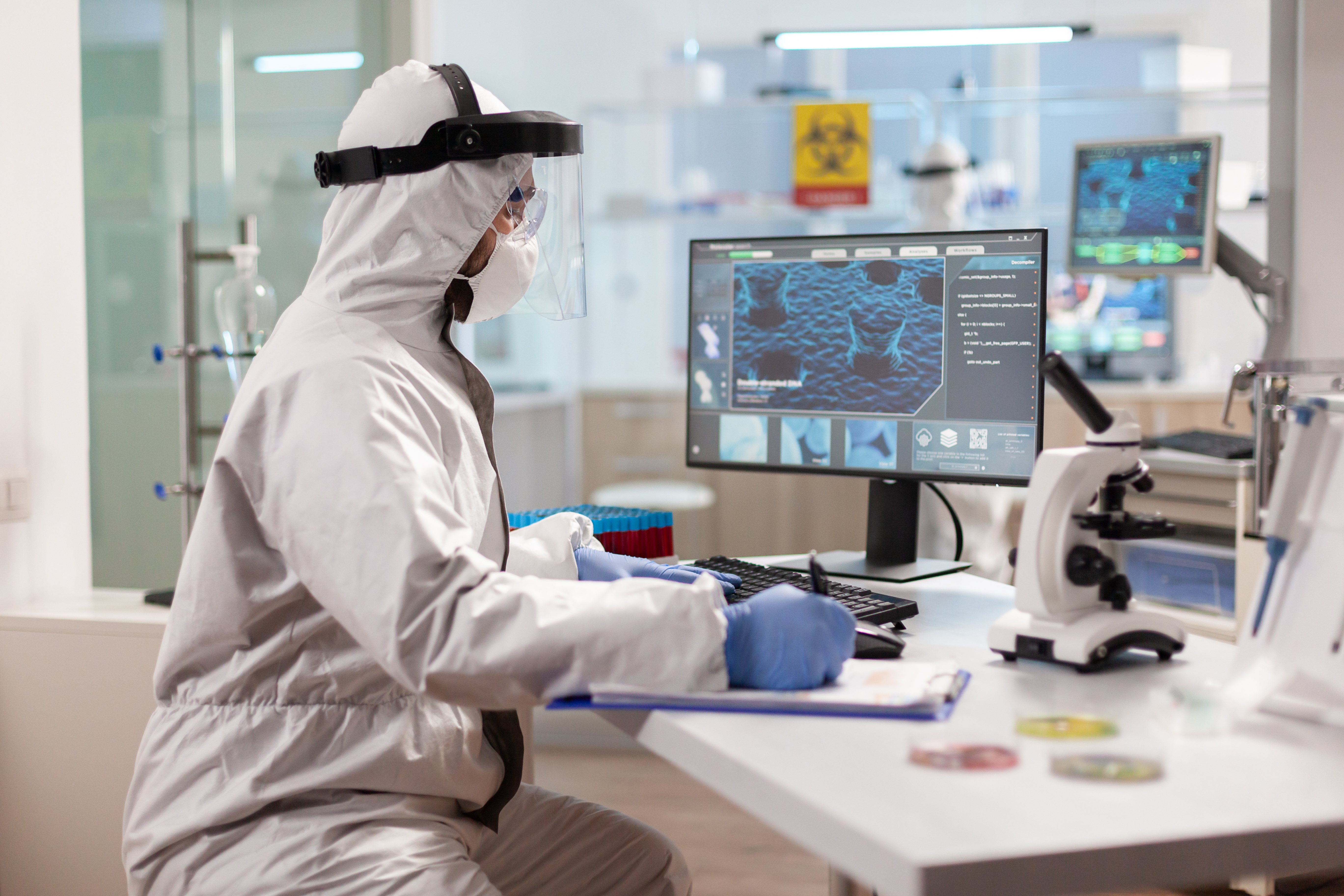
What is Medical Fellowship Program in Skill Development
A Medical Fellowship Program is a specialized training program designed to enhance the skills and expertise of physicians in a particular medical subspecialty. It typically follows residency training and is focused on advanced clinical practice, research, or teaching within a specific medical field.
Key features of Medical Fellowship Programs:
• Specialized Training: Fellows receive intensive training in a specific medical subspecialty, allowing them to develop deep expertise in a particular area.
• Hands-On Experience: Fellowships often involve significant clinical experience, providing fellows with the opportunity to apply their knowledge and skills in real-world settings.
• Research Opportunities: Many fellowships offer opportunities for research, allowing fellows to contribute to medical advancements and expand their knowledge base.
• Mentorship: Fellows are typically paired with experienced mentors who provide guidance, support, and supervision.
• Career Advancement: Completing a fellowship can enhance a physician's career prospects and increase their earning potential.
Types of Medical Fellowships:
• Clinical Fellowships: Focus on advanced clinical practice in a specific subspecialty, such as cardiology, oncology, or neurology.
• Research Fellowships: Focus on conducting research in a specific medical field, often leading to publications and academic advancement.
• Teaching Fellowships: Focus on developing teaching skills and mentoring medical students or residents.
• Combined Fellowships: Combine elements of clinical practice, research, and teaching.
The application process for medical fellowships can be competitive, and applicants may need to interview with program directors or committees.
In conclusion, Medical Fellowship Programs offer a valuable opportunity for physicians to specialize in a particular medical field, enhance their skills, and advance their careers.
What are Certifications gained in Medical Fellowship Program in Skill Development
The certifications gained in a Medical Fellowship Program in Skill Development can vary widely depending on the specific program and the specialization being pursued. However, some common certifications that may be obtained include:
General Certifications:
Board Certification: This is a Medical Fellowship that demonstrates a high level of competence in a particular medical specialty. It is often required for medical professionals to practice independently or in certain roles.
Fellowship Certification: This is a certification awarded upon completion of a fellowship program. It indicates that the individual has specialized training in a particular area of medicine.
Professional Society Membership: Membership in professional societies can provide opportunities for networking, continuing education, and access to resources. Some societies offer certifications to their members.
Specific Certifications:
Subspecialty Certifications: For those who specialize in a particular area within a broader medical field, there are often subspecialty certifications available. For example, a cardiologist might obtain a subspecialty certification in interventional cardiology or electrophysiology.
Procedural Certifications: For medical professionals who perform invasive procedures, there may be specific certifications available to demonstrate their proficiency in these procedures. For example, a surgeon might obtain a certification in laparoscopic surgery.
Advanced Training Certifications: Some fellowship programs offer certifications that indicate a high level of training in a particular area of medicine. For example, a critical care fellow might obtain a certification in advanced life support.
It is important to note that the specific certifications offered by a Medical Fellowship Program in Skill Development will depend on the program's curriculum, the faculty's expertise, and the accreditation standards of the institution.

Why is Medical Fellowship Program important in Skill Development
Medical Fellowship Programs are essential for Skill Development because they:
• Provide Advanced Training: Fellowships offer specialized training in a particular medical subspecialty, allowing physicians to deepen their knowledge and expertise.
• Enhance Clinical Skills: Fellows gain hands-on experience and develop advanced clinical skills, making them more effective in their practice.
• Foster Research Skills: Many fellowships offer opportunities for research, which can enhance a physician's ability to contribute to medical advancements.
• Improve Career Prospects: Completing a fellowship can improve a physician's job prospects and earning potential.
• Increase Credibility: Board certification and other certifications obtained through a fellowship can enhance a physician's credibility and reputation within the medical community.
• Facilitate Networking: Fellowships offer opportunities to connect with other medical professionals, which can be beneficial for career advancement and collaboration.
• Personal and Professional Growth: Fellowships can provide a stimulating and challenging environment that fosters personal and professional growth.
In summary, Medical Fellowship Programs play a crucial role in Skill Development by providing advanced training, enhancing clinical skills, and improving career prospects. They are essential for physicians who want to specialize in a particular medical field and contribute to the advancement of medical knowledge and practice.
How is Medical Fellowship Program implemented in Skill Development through Ramaq Chools
Medical Fellowship Program implemented in Skill Development is implemented in various ways:
1. Internal Training Programs:
• On-the-job training: Employees learn through practical experience and guidance from colleagues.
• Workshops and seminars: Ramaq Chools could partner with Organizations to conduct internal workshops and seminars to address specific skill gaps.
• Mentorship programs: Ramaq Chools offer pairing experienced professionals with less experienced employees which can facilitate knowledge transfer.
2. External Training Programs:
• Professional development courses: Organizations can send employees to Ramaq Chools specialized courses.
• Conferences and seminars: Attending industry conferences and seminars led by Ramaq Chools can expose employees to new trends and best practices.
• Online learning platforms: Ramaq Chools online platforms offer courses and certifications in Real Estate and Construction s.
3. Certifications and Examinations:
• Encouraging certifications: Organizations can incentivize employees to obtain industry-recognized certifications through Ramaq Chools.
• Providing exam preparation: Offering resources and support for exam preparation can increase employee success rates through Ramaq Chools.
4. Partnerships with Educational Institutions:
• Collaborative programs: Ramaq Chools courses in partnership with universities or business schools to develop customized training programs.
• Guest lectures: Inviting industry experts to speak at educational institutions can provide valuable insights.
5. Performance Reviews and Feedback:
• Regular assessments: Conducting regular performance reviews can identify skill gaps and areas for improvement through Ramaq Chools assessment platform.
• Feedback and coaching: Providing constructive feedback and coaching by Choolsarbia consultants can help employees develop their skills.
6. Continuous Learning Culture:
• Promoting a learning mindset: Cultivating a culture that values continuous learning and professional development through Ramaq Chools digital library.
• Access to resources: Ensuring employees have access to necessary resources, such as books, articles, and online tools on Ramaq Chools Digital library.
By implementing these strategies, organizations can ensure that their employees have the skills and knowledge needed to succeed in the dynamic Real Estate and Construction s industry.


Case studies of Medical Fellowship Program in Skill Development
Case Study 1: Mayo Clinic
• Known for its extensive research and clinical expertise, the Mayo Clinic offers a wide range of medical fellowships in various specialties. Fellows benefit from working alongside world-class physicians and researchers, gaining valuable experience and contributing to medical advancements.
Case Study 2: Stanford University
• Stanford University's medical fellowship programs are highly competitive and offer opportunities for advanced training in a variety of specialties. Fellows benefit from the university's strong academic environment and access to cutting-edge research facilities.
Case Study 3: Johns Hopkins Medicine
• Johns Hopkins Medicine is another renowned institution that offers a wide range of medical fellowships. Fellows benefit from working in a world-class academic medical center and have access to state-of-the-art facilities and resources.
Case Study 4: The Massachusetts General Hospital
• The Massachusetts General Hospital offers a variety of medical fellowships in a wide range of specialties. Fellows benefit from working in one of the nation's leading hospitals and have access to world-class faculty and resources.
Case Study 5: The Cleveland Clinic
• The Cleveland Clinic is a leading academic medical center that offers a variety of medical fellowships. Fellows benefit from working in a collaborative and innovative environment and have access to cutting-edge technology and research opportunities.
These are just a few examples of renowned medical fellowship programs. The specific benefits of a medical fellowship program will depend on the institution, the specialty, and the individual's goals.
What are the Benefits of Medical Fellowship Program in Skill Development
Medical fellowship programs offer a plethora of benefits for physicians seeking to enhance their skills and knowledge in a specific area of medicine. Here are some of the key advantages:
1. Advanced Training and Expertise
Deepened Specialization: Fellows gain in-depth knowledge and experience in their chosen subspecialty.
Hands-On Experience: Practical training under experienced mentors allows fellows to refine their clinical skills.
Cutting-Edge Techniques: Exposure to the latest medical advancements and research.
2. Career Advancement
Enhanced Job Prospects: Specialization can open doors to more lucrative and specialized positions.
Increased Earning Potential: Fellows often command higher salaries due to their advanced skills.
Leadership Opportunities: The expertise gained can lead to leadership roles within institutions.
3. Improved Patient Care
Better Outcomes: Specialized knowledge can result in improved patient outcomes and treatment plans.
Access to Advanced Care: Fellows can provide patients with access to cutting-edge treatments and therapies.
Enhanced Patient Satisfaction: Patients often benefit from the personalized care provided by specialists.
4. Research and Academic Opportunities
Contribution to Medical Knowledge: Fellows can participate in research projects and contribute to scientific advancements.
Publication Opportunities: Publishing research findings can enhance academic credentials and reputation.
Teaching and Mentoring: Many fellows have the opportunity to teach medical students and residents.
5. Networking and Collaboration
Professional Relationships: Building connections with colleagues in the field can lead to future collaborations and opportunities.
Mentorship: Fellows often benefit from the guidance and support of experienced mentors.
Industry Partnerships: Networking can facilitate partnerships with pharmaceutical companies and medical device manufacturers.
Overall, medical fellowship programs provide a valuable opportunity for physicians to enhance their skills, advance their careers, and improve patient care.
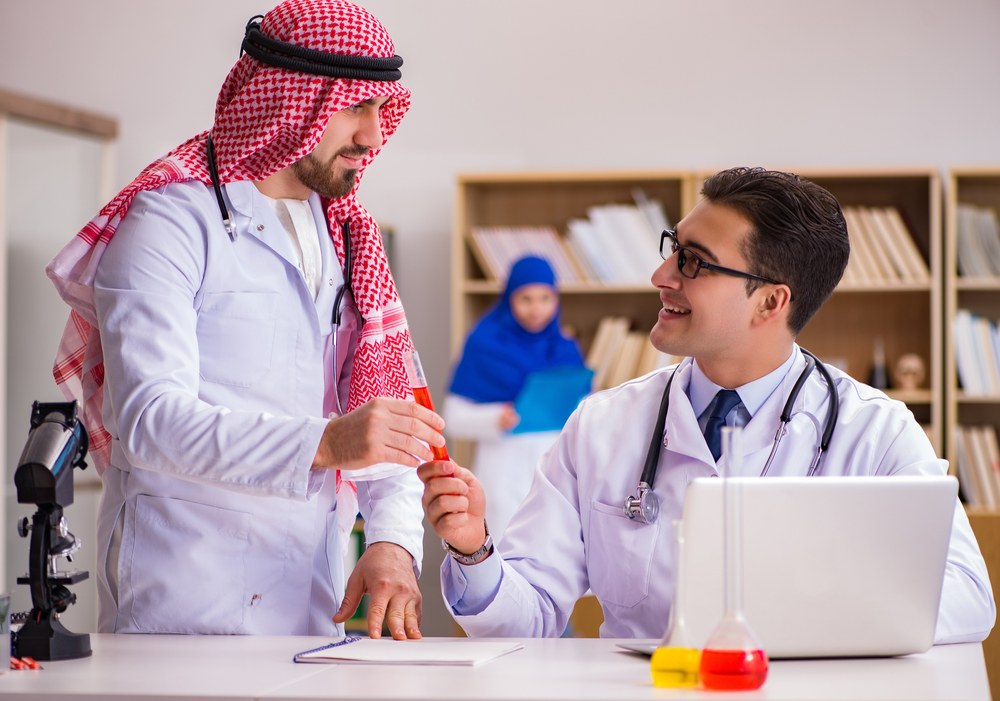

Who is eligible for Medical Fellowship Program in Skill Development
Eligibility for Medical Fellowship Programs typically requires:
• Medical Degree: Applicants must have a medical degree.
• Residency Completion: Most fellowships require completion of a residency program in a related medical specialty.
• Letters of Recommendation: Applicants typically need to provide letters of recommendation from medical school professors or residency program directors.
• Medical School Transcripts: Applicants may need to submit their medical school transcripts.
• Personal Statement: A personal statement outlining the applicant's motivation for pursuing the fellowship and their career goals.
The specific eligibility criteria may vary depending on the fellowship program and the institution.
What is the Structure of Medical Fellowship Program in Skill development
Employment programs in Medical Fellowship Program typically follow a structured process to ensure effective learning and development. While specific steps may vary depending on the program provider and type, the general process often includes:
1. Needs Assessment:
• Identify skill gaps: Determine the specific skills and knowledge that need to be enhanced.
• Align with organizational goals: Ensure the program aligns with the organization's strategic objectives.
2. Program Design:
• Curriculum development: Create a comprehensive curriculum that covers the identified skill areas.
• Delivery methods: Select appropriate delivery methods, such as online courses, workshops, or on-the-job training.
• Evaluation methods: Determine how the program's effectiveness will be measured.
3. Program Delivery:
• Facilitation: Ensure that the program is delivered by qualified instructors or facilitators.
• Participant engagement: Create a conducive learning environment that encourages active participation.
• Materials and resources: Provide necessary materials, tools, and resources for learners.
4. Participant Evaluation:
• Assessments: Conduct assessments (e.g., quizzes, assignments, projects) to evaluate participants' learning.
• Feedback: Gather feedback from participants to identify areas for improvement.
5. Program Evaluation:
• Outcomes assessment: Measure the program's impact on participant performance and organizational outcomes.
• Continuous improvement: Use evaluation results to make necessary adjustments to future programs.
6. Certification (if applicable):
• Assessment: Conduct a final assessment to determine if participants have met the requirements for certification.
• Certification process: Issue certifications to eligible participants.
Additional Considerations:
• Customization: Tailor the program to the specific needs of the participants or organization.
• Flexibility: Offer flexible learning options to accommodate different schedules and preferences.
• Technology integration: Leverage technology to enhance learning experiences and improve accessibility.
• Continuous learning: Encourage a culture of continuous learning and professional development.


What are the main topics of Medical Fellowship Program in skill development
Medical Fellowship Programs are designed to provide advanced training in a specific medical subspecialty. As such, the main topics covered in these programs will vary depending on the particular field of specialization. However, some common themes include:
Clinical Skills
• Advanced diagnostic techniques: Using state-of-the-art equipment and procedures to diagnose and treat patients.
• Complex medical procedures: Performing intricate surgeries, interventions, or treatments.
• Management of complex cases: Handling patients with multiple medical conditions or rare diseases.
• Evidence-based medicine: Applying the latest research and evidence to clinical practice.
Research Methods
• Research design: Developing research questions, hypotheses, and study protocols.
• Data collection and analysis: Collecting, analyzing, and interpreting data.
• Scientific writing and publication: Preparing research papers and manuscripts for publication.
• Grant writing: Applying for research grants and funding.
Teaching and Mentoring
• Medical education: Teaching medical students and residents.
• Mentorship: Guiding and supporting junior physicians in their development.
• Curriculum development: Developing and implementing educational programs.
Leadership and Administration
• Medical leadership: Assuming leadership roles within healthcare organizations.
• Quality improvement: Implementing strategies to improve the quality of care.
• Healthcare policy: Understanding and advocating for healthcare policies.
Specialized Topics
• Specific medical subspecialties: The topics covered will vary depending on the particular fellowship, such as cardiology, oncology, neurology, or pediatrics.
In addition to these core topics, medical fellowship programs may also offer opportunities for:
• Professional development: Attending conferences, workshops, and continuing medical education courses.
• Networking: Connecting with other medical professionals and building relationships.
• Community outreach: Participating in community health initiatives and programs.
The specific topics covered in a medical fellowship program will depend on the program's focus, the needs of the medical community, and the individual's career goals.