What is the Design-Develop-Deliver (DDD) Model?

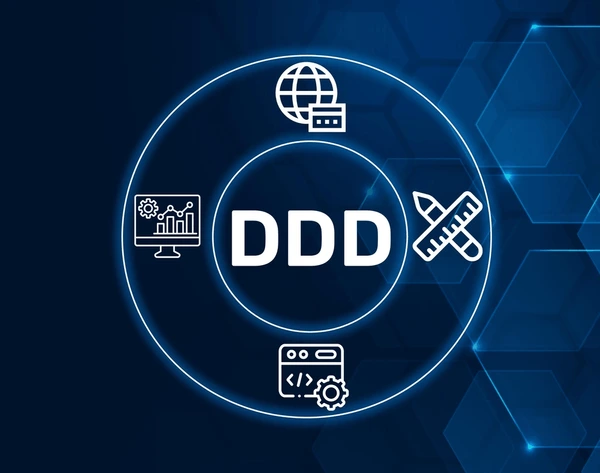
The Design-Develop-Deliver (DDD) Model is a structured approach to project execution and service delivery under the Chools Operating Framework. It is designed to optimize business processes, enhance efficiency, and ensure seamless execution from conceptualization to final delivery. This model is particularly useful for organizations looking to streamline workflows, reduce operational risks, and achieve high-quality outcomes through a well-defined process.The DDD Model ensures that businesses can effectively translate their vision into a tangible and functional product or service. By following a systematic process that includes rigorous planning, iterative development, and efficient delivery mechanisms, organizations can achieve consistent success in their projects while maintaining flexibility and adaptability.



What Are the Objectives of the DDD Model?


What Are the Key Phases of the DDD Model?


The DDD Model consists of three main phases:


Phase 1: Design


  • Conducting thorough market research and feasibility studies.

  • Defining objectives, scope, and success criteria for the project.

  • Developing wireframes, prototypes, and initial design mockups.

  • Problem-solving skills


  • Engaging with stakeholders to validate the project roadmap and ensure alignment with business goals.


  • Creating a strategic blueprint that outlines the entire development and delivery process.

Phase 2: Develop


  • Building the solution using iterative and agile methodologies.

  • Implementing best practices in coding, testing, and process automation.

  • Conducting continuous testing and quality assurance checks to ensure functionality and performance.

  • Iterating and refining based on feedback from internal teams and stakeholders.

  • Integrating scalable infrastructure to ensure seamless growth and adaptability.

Phase 3: Deliver


  • Deploying the final product/service in a controlled and structured manner.

  • Conducting end-user training and knowledge transfer to ensure adoption.

  • Providing ongoing support, monitoring, and performance analysis post-deployment.

  • Providing ongoing support, monitoring, and performance analysis post-deployment.

  • Providing ongoing support, monitoring, and performance analysis post-deployment.

  • Providing ongoing support, monitoring, and performance analysis post-deployment.

Why Is the DDD Model Essential for Business Success?


In today’s fast-paced business environment, organizations must adapt quickly to market demands while maintaining quality and efficiency. The DDD Model provides a structured and strategic approach to delivering value-driven solutions.

Key Benefits of the DDD Model:


  1. Increased Efficiency: Streamlined workflows minimize delays and ensure faster time-to-market.

  2. Enhanced Quality: A focus on continuous testing and stakeholder feedback ensures high-quality outputs.

  3. Risk Reduction: Identifying potential challenges early minimizes costly errors and rework.

  4. Scalability: The model supports iterative improvements and future expansions.

  5. Customer Satisfaction: Ensures that solutions meet user expectations through rigorous testing and refinement.

What Are Some Case Studies of the DDD Model in Action? - Case Study

Who Can Benefit from the DDD Model?


  • Startups & Entrepreneurs: Helps in developing innovative solutions with a structured approach.

  • Large Enterprises: Optimizes large-scale operations and enhances efficiency.

  • Government & Public Sector: Ensures smooth project execution in public service initiatives.

  • Manufacturing & Supply Chain: Streamlines operations through automation and process optimization.

  • Technology Companies: Enhances product development lifecycles with agile methodologies.

What Tools and Technologies Support the DDD Model?

The DDD Model leverages modern tools and technologies to enhance efficiency and ensure seamless execution:


  • Recruiters and Hiring Managers: To make objective, data-driven hiring decisions.

  • HR Professionals: To implement effective workforce planning and development.

  • Corporate Leaders: To identify and nurture future leaders within the organization.

  • Employees and Job Seekers: To gain insights into their career potential and development areas.

How Does Chools Ensure the Success of the DDD Model?

RamaqChools implements the DDD Model using industry best practices and expert-driven methodologies. Key success factors include:


  • Numerical, verbal, and abstract reasoning

  • Attention to detail and problem-solving

  • Leadership potential and teamwork capabilities

  • Adaptability, resilience, and stress management

  • Interpersonal skills and motivation levels

  • Integrity, discipline, and cultural fit

What Are the Future Trends in the DDD Model?

As industries evolve, the DDD Model continues to adapt with emerging trends:

  • AI & Automation Integration: Enhancing efficiency through machine learning and automation tools.

  • Data-Driven Decision Making: Leveraging analytics for better forecasting and optimization.

  • Sustainable Design & Development: Incorporating eco-friendly and energy-efficient processes.

  • Remote & Distributed Workflows: Enabling seamless collaboration across geographies.

  • Enhanced Cybersecurity Measures: Ensuring data protection and compliance with industry standards.