
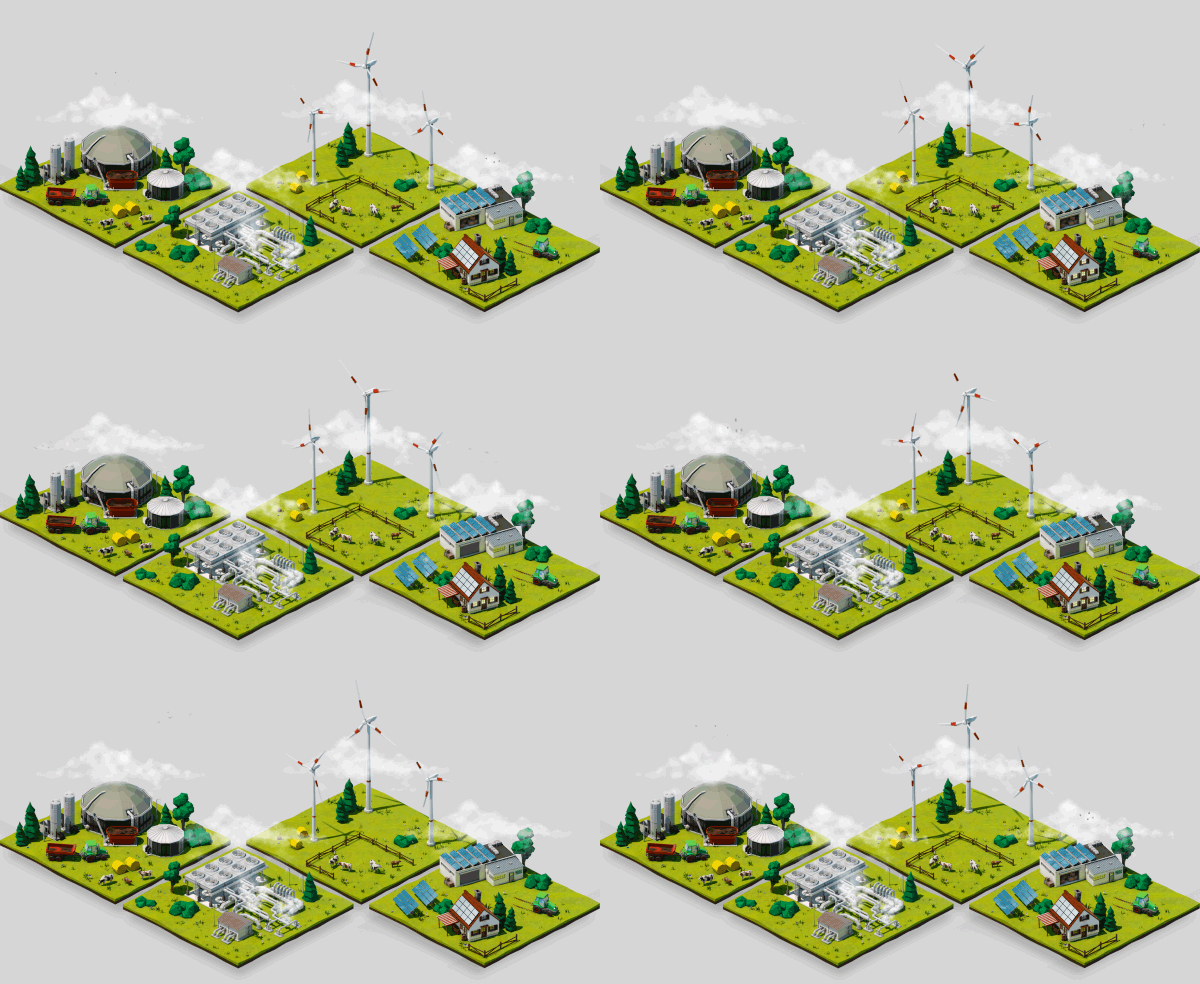
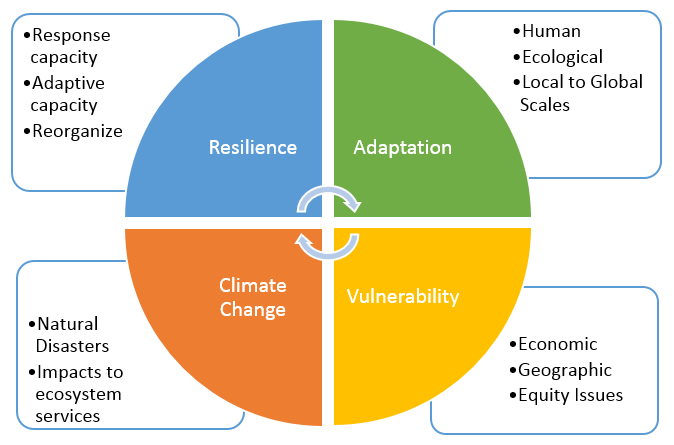
➤ As climate change accelerates, the need for organizations to adapt and build resilience against its impacts has never been more critical.
➤ At Ramaqchools, we are committed to developing innovative strategies that not only address climate risks but also empower organizations to thrive in an increasingly unpredictable environment.
➤ Our approach transforms challenges into opportunities, positioning us as leaders in fostering a resilient future.
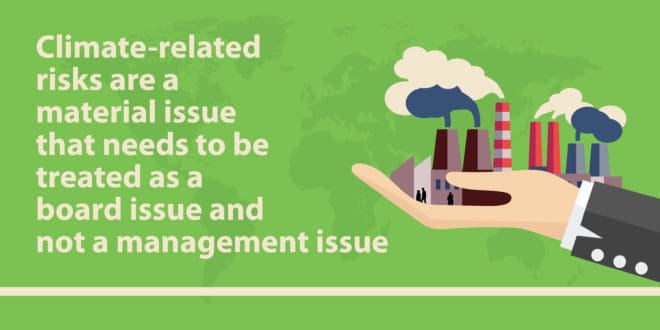
➤ Economic Implications: Climate-related disruptions can cost global economies up to $23 trillion annually by 2050 if adaptation measures are not implemented.
➤ Investment in Resilience: For every $1 invested in climate resilience, there is a potential return of $4 in reduced disaster recovery costs.
➤ Consumer Awareness: 75% of consumers prefer to engage with brands demonstrating proactive climate risk management and adaptation strategies.
➤ Corporate Responsibility: Companies that prioritize climate adaptation can enhance their reputational value, leading to a 30% increase in customer loyalty.

Our sustainable operations strategy primarily targets:
Our clients consistently achieve measurable results from our M&A services, including:
A coastal city faced increasing risks from rising sea levels and extreme weather events, threatening infrastructure and local economies. The city struggled to develop a comprehensive adaptation strategy.
A multinational agriculture corporation faced declining crop yields and increased pest infestations due to changing climate conditions, threatening food security and profitability.
At Ramaqchools, we understand that building resilience against climate risks is not a one-time effort but a continuous journey. By addressing climate challenges with innovative and adaptive solutions, we can drive organizational transformation, foster stakeholder engagement, and contribute to a sustainable future. Our commitment to climate risk adaptation not only prepares us for current challenges but also ensures a thriving environment for generations to come. Together, let’s embrace the future with resilience and adaptability.